

24 Mar Understanding the psychology behind gambling behavior and decision-making
Understanding the psychology behind gambling behavior and decision-making
The Basics of Gambling Psychology
The psychology of gambling encompasses a range of behaviors, emotions, and cognitive processes that influence why individuals engage in gambling activities. It is rooted in both social and psychological factors that motivate people to bet money or valuables on uncertain outcomes. For instance, if you’re looking for an exciting gaming experience, King Johnnie Casino provides various opportunities. Understanding these influences is essential, as it can lead to better strategies for responsible gambling and awareness of addictive behaviors.
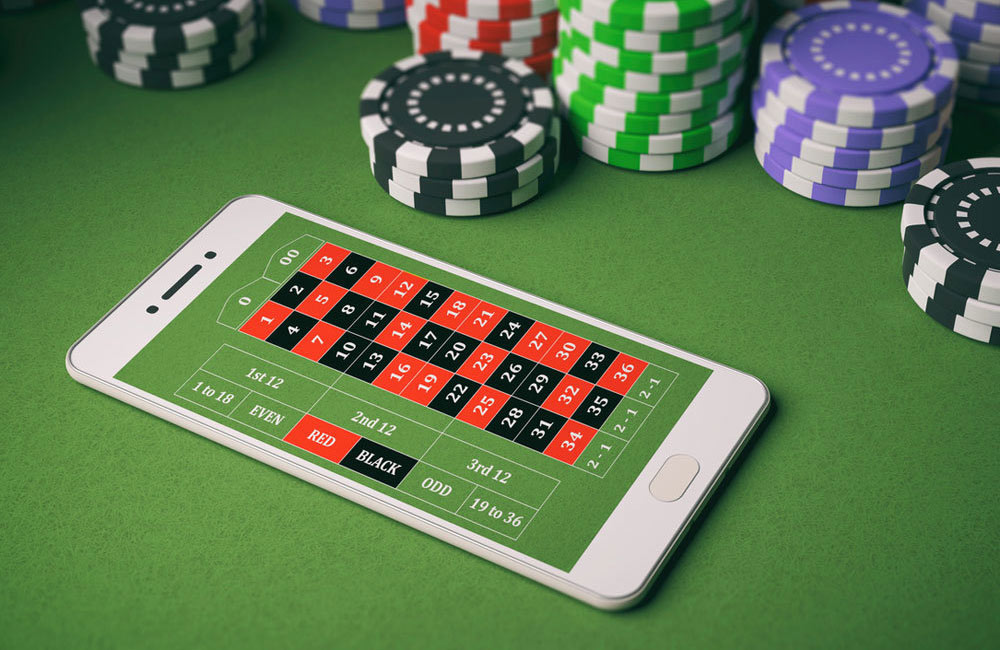
Central to gambling psychology is the concept of risk and reward. Many gamblers are drawn to the thrill of uncertainty, which can trigger a release of dopamine, creating a sense of pleasure and excitement. This biochemical reaction explains why individuals may continue to gamble despite losses, chasing the next win or the exhilaration of hitting a jackpot.
Cognitive Biases in Gambling
Cognitive biases play a significant role in gambling behaviors, often leading individuals to make irrational decisions. For example, the illusion of control can lead players to believe they can influence the outcome of games of chance, like roulette or slot machines. This overestimation of one’s ability can encourage continued gambling, even in the face of unfavorable odds.
Another common cognitive bias is the gambler’s fallacy, where individuals believe that past events influence future outcomes. This might lead a player to assume that a losing streak will be followed by a win, prompting them to wager more money in hopes of recouping losses. These biases can create a distorted perception of the risks involved in gambling, significantly affecting decision-making.
The Emotional Aspect of Gambling
The emotional landscape of gambling can be complex and multifaceted. Many people turn to gambling as a way to escape stress, anxiety, or boredom. The temporary thrill of a win can provide a brief respite from negative emotions, reinforcing the behavior. However, this can lead to a cycle of gambling as individuals seek to replicate those feelings.
Conversely, losses can evoke strong emotions, including frustration and despair. These feelings can compel gamblers to continue betting in hopes of a reversal of fortune, often leading to more significant losses. Understanding these emotional triggers is crucial for promoting responsible gambling practices and recognizing when gambling behavior crosses into addiction.
Social Influences on Gambling Behavior
The social environment significantly impacts gambling behavior. Social norms, peer pressure, and cultural attitudes towards gambling can all affect an individual’s decision to participate in gambling activities. In cultures where gambling is widely accepted and even celebrated, individuals may be more likely to engage in gambling without fully considering the risks.
Moreover, social interactions can create an environment where gambling is seen as a bonding activity. Group gambling experiences, such as attending a casino or betting on sports with friends, can amplify the excitement and make individuals less likely to evaluate their actions critically. Awareness of these social influences can help individuals make more informed choices about their gambling activities.

Exploring King Johnnie Casino’s Approach
King Johnnie Casino embraces an understanding of gambling psychology to enhance the gaming experience for its users. By offering a wide range of games and promotions, it caters to the emotional and psychological needs of its players while encouraging responsible gambling practices. The casino aims to create an engaging environment that prioritizes player satisfaction and well-being.
With a commitment to quick cashouts and a user-friendly interface, King Johnnie Casino strives to keep players engaged while promoting a healthy approach to gambling. By understanding the psychological factors that drive gambling behavior, the casino can better serve its community and foster a safe and enjoyable gaming atmosphere.
No Comments