

25 Aug What Exactly Counts as Bulk Ammo and Why Buy It That Way?
Buy Bulk Ammunition in Bulk: Unbeatable Prices on Cases of Rifle, Handgun, and Rimfire Rounds
A single 5.56mm round weighs about 12.5 grams, yet a 1,000-round bulk case adds over 12 kilograms of pure projectile weight before packaging. Bulk ammunition is simply factory-new or remanufactured cartridges sold in large quantities, typically loose-packed in cardboard boxes or plastic bags rather than individual retail sleeves. This format functions identically to boxed ammo—primer, powder, case, and bullet—but reduces per-round cost because you skip premium packaging and per-box labor. For storage, keep bulk rounds in sealed, dry containers with desiccant packs, and load magazines directly from the bulk bag to avoid unnecessary handling.
What Exactly Counts as Bulk Ammo and Why Buy It That Way?
Bulk ammunition typically refers to purchasing cartridges in large quantities—usually 200 rounds or more—packaged in loose boxes, bags, or cases rather than individual retail boxes. There is no universal count, 7mm Rem Ultra Mag Ammo for Sale but the defining factor is economy of scale: you are buying in volume specifically to reduce per-round cost. The primary reason to buy this way is cost savings that compound with shooting frequency, often cutting the price per round by 10–30% compared to small-box purchases. Additionally, bulk ammo ensures consistent lot numbers, which improves accuracy reliability because all rounds share identical powder, primer, and bullet specifications. It also minimizes trips to the store and reduces the risk of stockouts during high-demand periods. For high-volume shooters, competitors, or hunters sighting in rifles, bulk purchasing is a practical logistics and budget strategy, provided you have proper storage to keep the rounds dry and temperature-stable.
Defining Bulk: Case Counts, Loose Packs, and What You’re Actually Getting
When defining bulk, the first distinction is packaging: a full case count typically means 500 to 1,000 rounds in factory sealed boxes, while loose packs bundle cartridges in plastic bags or trays without individual boxes. What you’re actually getting affects cost and handling—loose packs often reduce per-round price by cutting packaging waste, but they sacrifice convenient storage and caliber identification. Case counts give you uniform headstamps and lot numbers, which helps with consistent reloading or range accuracy. Loose packs may mix manufacturing runs, though most sellers note this. Always verify the exact round count, as some “bulk” listings advertise a case but ship 400-round loose bags instead of a true 500-round case.
- Full cases usually contain 500–1,000 rounds in sealed boxes with consistent lot numbers.
- Loose packs save money but often lack individual boxes, making inventory tracking harder.
- Verify whether “case” means factory 7mm Rem Mag Ammo for Sale packaging or loose bulk to match your storage setup.
- Check for mixed headstamps in loose packs if you need identical brass for reloading.
The Real Cost-Per-Round Savings You Can Expect Per 500 or 1,000 Rounds
Buying in bulk shifts the math dramatically. A 500-round case typically lowers your cost-per-round by 10–15% versus single boxes, but stepping up to 1,000 rounds often unlocks the real savings—frequently **20–30% off retail prices**. For example, if standard 9mm runs $0.30 per round at the box counter, a 500-round lot might drop that to $0.26, while a 1,000-round case can hit $0.21 or less. That difference of $0.09 per round means $90 saved on every thousand you shoot. Volume discounts, reduced shipping per unit, and fewer reorder trips compound the benefit, making the larger commitment the smarter financial play for regular shooters.
When Bulk Makes Sense vs. When It’s Overkill for Your Shooting Habits
Bulk ammo makes sense when your round count is consistent and predictable—say, weekly range sessions burning 200–400 rounds of the same caliber, or competitive shooters who train with high volume. At that pace, per-round savings from cases (500–1,000 rounds) compound quickly, and you’ll rotate stock before storage degradation matters. It’s overkill if you shoot sporadically—a few boxes every couple months—because you tie up cash in ammo that sits, risks primer or powder degradation over years, and locks you into a single lot that may not match your gun’s preferred accuracy. Likewise, if you’re testing new loads or switching calibers soon, bulk commits you prematurely. Matching case size to your true monthly output prevents waste and wasted money.
Buy bulk only if you’ll burn it within 6–12 months; otherwise, stick to boxes.
How to Pick the Right Bulk Load for Your Specific Firearm
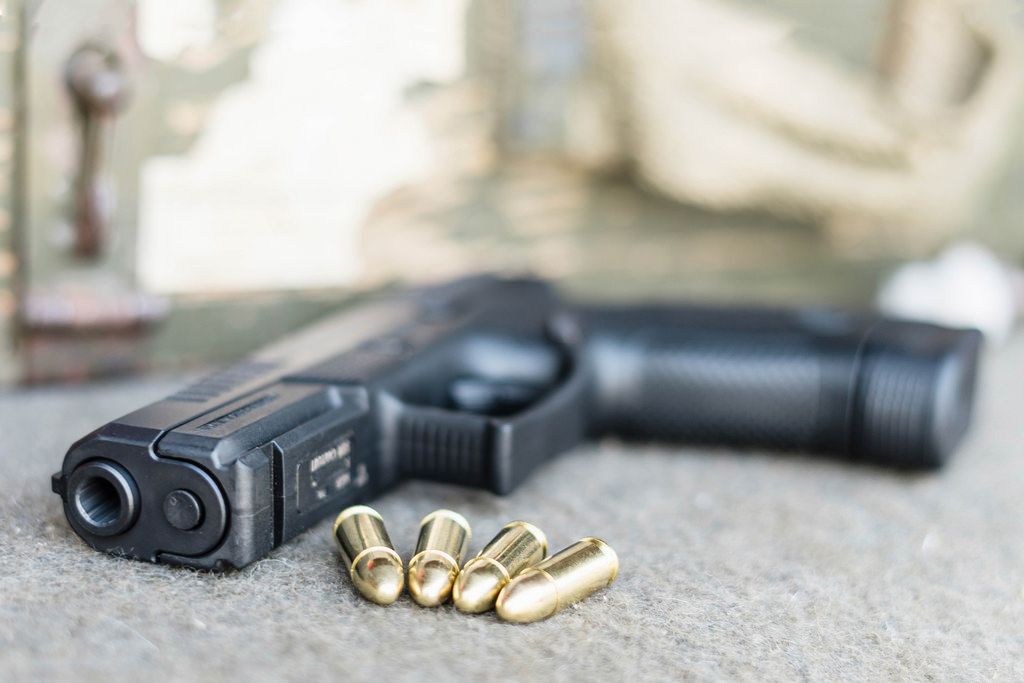
Choosing the right specialty sports and supply bulk load starts with your firearm’s stamped caliber, but true precision demands matching the bullet weight to your barrel’s twist rate. Heavier projectiles stabilize best in faster twists (like 1:7 for 5.56mm), while slower twists (1:12) prefer lighter rounds. For bulk ammunition, consistency matters more than premium branding; a mid-tier load with uniform brass and primer seating beats mixed headstamp bargain bins. Verify your gun’s manual for recommended grain ranges, then test 100-round lots from different manufacturers. Check your action type—gas-operated firearms often cycle more reliably with standard-pressure loads than with hot magnum bulk packs. Finally, chronograph a sample box to confirm velocity matches your optic’s BDC, ensuring your bulk purchase performs identically across the entire case.
Matching Bullet Grain Weight to Barrel Twist Rate for Better Accuracy
Matching bullet grain weight to your barrel’s twist rate is the fastest way to tighten groups with bulk ammo. A slower twist (like 1:12) stabilizes lighter 55-grain rounds, while a faster twist (1:7 or 1:8) is built for heavier 62–77-grain projectiles. If you push a grain weight your barrel can’t stabilize, you’ll see keyholing and erratic flight. To find your sweet spot, follow this quick sequence:
- Check your barrel’s twist rate (stamped on the gun or in the manual).
- Buy a small test box of bulk ammo in a mid-range grain weight.
- Shoot groups at 100 yards, then go up or down 5 grains until accuracy peaks.
For bulk purchases, this avoids wasting hundreds of rounds on a load that simply doesn’t spin correctly. Twist rate compatibility dictates bullet stability, so always match your grain weight to the rifling pitch before committing to a case.
FMJ vs. JHP vs. Steel Case: Which Bulk Type Suits Your Purpose
When buying bulk ammunition, your choice between FMJ, JHP, and steel case hinges on intended use, not cost alone. FMJ vs. JHP vs. steel case for bulk shooting breaks down by terminal effect and reloadability: FMJ offers reliable feeding and deep penetration for range drills or competition, but it lacks expansion. JHP expands reliably in soft tissue, making it your defensive bulk pick, though it costs more and can under-penetrate barriers. Steel case is cheapest for high-volume practice, but its bi-metal jacket accelerates barrel wear and the non-reloadable primers and lacquered steel limit reuse. Match the type to your primary role—don’t stockpile JHPs for plinking or steel for duty.
- FMJ: choose for training, matches, and maximum round count per dollar.
- JHP: reserve for self-defense loads; verify reliability in your specific firearm.
- Steel case: use only for casual plinking where accuracy and barrel longevity are secondary.
Checking Headstamp and Lot Numbers on Bulk Boxes for Consistency

When evaluating .50 Cal Ammo for Sale bulk ammunition, verify that every box displays an identical headstamp and lot number before committing to a purchase. A consistent headstamp, the stamped markings on the cartridge base, confirms the same primer, case wall thickness, and brass alloy were used throughout. The lot number further isolates the exact production run, meaning powder charge weights and bullet seating depths will share the same tolerance range. Mixing lots across your bulk order introduces subtle pressure and velocity variances that shift point of impact between individual boxes. For precision work, you should not mix cartridges from different lots because even a 0.1-grain powder deviation becomes noticeable at longer ranges. Checking lot continuity across bulk boxes prevents you from unknowingly blending ammo that performs differently, which would defeat the purpose of consistent bulk shooting.
Q: Should I reject a bulk case if only one box has a different lot number?
A: Yes, if you demand uniform performance. One mismatched box will produce flyers or group shifts during extended sessions, and you cannot re-zero your optic for a single box. Return the entire case or request a fully matched lot set.
Smart Storage and Handling Practices for Large Ammo Quantities
For bulk ammunition, prioritize desiccant-based humidity control inside sealed, metal military-style cans, as moisture is the primary enemy of primers and powder. Stack these cans off concrete floors on pallets or heavy-duty shelving to prevent condensation wicking and allow air circulation, while distributing weight evenly to avoid structural stress. Rotate your stock using a clear first-in, first-out labeling system, marking each can with purchase date and lot number to ensure older cartridges are used before newer ones. Never store bulk ammo loose in plastic bags, as friction between rounds can damage casings, and instead keep them in their original factory trays or use rigid, compartmentalized organizers. Handle bulk cases with a two-person lift or a hand truck once they exceed forty pounds, protecting both your back and the integrity of the packaging from drops. Mild temperature swings are less harmful than constant high heat, but aim for a stable, cool environment near 60°F, as extreme cold can make brittle primers more sensitive. Finally, inspect a random sample from each bulk case bi-annually for corrosion, loose 9×18 Makarov Ammo for Sale bullets, or cracked necks before adding new inventory.
Best Containers and Ammo Cans to Keep Moisture and Corrosion Out
For bulk ammunition, the gold standard remains the military-surplus .50-caliber can with its rubber gasket, but you must test the seal by closing it on a dollar bill and tugging—if it slips, replace the gasket. Plastic ammo cans, like MTM or Plano, offer a watertight alternative but degrade under UV light, so keep them shaded. Always add desiccant packs, but the real trick is storing cans off concrete floors, as temperature swings create condensation on metal bases. For long-term bulk storage, line each can with a silica gel container and vacuum-seal individual ammo boxes inside heavy Mylar bags to double-layer protection. Moisture-proof bulk ammo storage demands you crack 9mm Ammo for Sale lids quarterly to air out trapped humidity, even in sealed cans.
**Q: What is the best container for bulk ammunition corrosion prevention?**
A: A metal .50-caliber can with a functional gasket, paired with desiccant and off-floor storage, outperforms plastic when humidity fluctuates wildly.
Rotating Your Stockpile: Using Older Rounds First Without Breaking Seal
When you buy bulk ammunition, discipline matters more than hoarding. Rotate your stockpile by physically moving older boxes to the front of your shelf and placing new purchases behind them. This ensures you grab the oldest rounds first—but never break the factory seal until you’re actually loading a magazine. Store sealed cases upright in a cool, dry spot, and when you do open a box, use those rounds completely before cracking the next one. A simple tactile reminder works: write the purchase month on each sealed case with a marker.
- Check the date on the outermost case.
- Take that sealed case to the range, not the newest one.
- Only after it’s empty, unseal the next oldest.
This prevents seal fatigue and keeps your turnover consistent.
Temperature Ranges That Prevent Powder Degradation in Long-Term Storage
For bulk ammunition, the optimal storage temperature band sits between 55°F and 75°F, where nitrocellulose-based propellants remain chemically stable for decades. Sustained exposure above 90°F accelerates stabilizer depletion, causing nitric acid formation that degrades powder burn rates. Below 40°F, condensation cycles become the real threat, as temperature swings pull moisture into primers and powder granules. *A stable, mid-range temperature matters more than absolute cold, since freezing alone rarely harms propellant but repeated thawing does.* Keep thermometers in multiple zones of your bunker, and avoid storing ammo against exterior walls where thermal bridging creates hot spots. Even a 10°F daily swing can shorten usable powder life, so insulation and thermal mass are your allies.
- Monitor temps seasonally—attics and garages routinely exceed the 90°F danger threshold.
- Use a digital hygrometer paired with a thermometer to catch humidity spikes that accompany temperature shifts.
- Consider an insulated cabinet or buried container to dampen diurnal temperature fluctuations.
Using Bulk Rounds Efficiently at the Range Without Waste
Mastering **using bulk rounds efficiently at the range without waste** means turning your cheap stockpile into deliberate skill, not just noise. Because bulk ammunition is affordable, it tempts you to mag-dump; instead, treat every 50-round box as a finite drill session with a clear goal—like trigger control or transitions.
Separate your bulk supply into three labeled buckets: zeroing, skill drills, and high-pressure practice, so you never burn through all your ammo on random plinking.
Rotate between rifle and pistol bulk rounds to avoid barrel overheating and fatigue, which causes sloppy shots that waste cartridges. Track your hits per hundred rounds and adjust your cadence—if you’re missing more than 20%, slow down. By pairing your bulk ammo with a shot timer and a written plan, you convert every round into feedback, leaving nothing but spent brass and meaningful progress.
Zeroing Your Sight with Small Batches Before Burning Through a Case
Before committing to a full case of bulk ammunition, zeroing your sight with small batches prevents wasted rounds on an unconfirmed point of impact. Fire three-round groups from a rested position, adjusting windage and elevation between each string. Because bulk ammo often varies slightly in velocity, a preliminary zero with ten rounds reveals mechanical offset, not lot-specific drift. Once your groups cluster within a tolerable circle—say two inches at fifty yards—then burn through the case for practice. Skipping this step means missing the target entirely, converting cheap rounds into useless brass. A quick batch test also flags defective primers or canted sights before volume shooting.
| Batch Size | Purpose | Outcome |
|---|---|---|
| 5 rounds | Initial impact check | Detect gross misalignment |
| 10 rounds | Group confirmation | Set precise zero |
| Full case | Uninterrupted training | Validated efficiency |
Setting Up Reloading or Practice Drills That Maximize Each Hundred-Round Block
To extract every ounce of value from a bulk ammo case, stop free-styling and start scripting your sessions. Break your hundred-round block into five, twenty-round “mini-stages”—for instance, drawing from concealment, reloading, and firing two head shots at 7, 10, and 9.3x72R Ammo for Sale 15 yards. Each mini-stage forces a specific skill, turning raw volume into deliberate, repeatable practice. Track hits and misses per stage; if you drop below 80% accuracy, slow your cadence. Rotate between speed drills and precision work every hundred rounds to prevent sloppy habits. A hundred rounds of focused failure analysis beats four hundred rounds of casual plinking. This structure ensures your bulk ammo builds reflexes, not just noise.
Tracking Misfires or Duds in a Bulk Lot and How to Report Them for Replacement
When a round in a bulk lot fails to fire, don’t just toss it aside—keep a dedicated “dud pouch” or a small cardboard tray to isolate each misfire immediately. Mark the primer strike with a permanent pen so you can double-check it later, as some rounds need a second strike. For a clear sequence, reporting bulk ammo misfires starts by photographing the lot number on the box and Ammunition for Sale the offending cartridge together, then noting the exact round count and misfire ratio. Email the manufacturer’s customer service with that info, and they’ll usually ask for the headstamp and your receipt. Most companies replace duds only if you return the original packaging, so keep the box until you’re sure the lot is clean.
- Set aside all duds in a separate container during your session.
- Snap them a second time after shooting to confirm a true misfire.
- Document the lot number, cartridge count, and misfire details.
- Send photos and purchase info to the maker’s warranty contact.
Common Mistakes Buyers Make with Large-Quantity Purchases
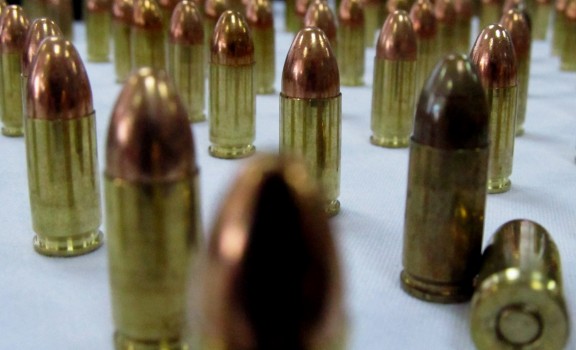
One common mistake buyers make with bulk ammunition is ignoring storage conditions, assuming sealed cases are impervious to humidity and temperature swings, which degrades primers and powder over time. Another frequent error is overestimating caliber compatibility, purchasing massive quantities of a round their firearms don’t reliably cycle, forcing costly resale or waste. Buyers often forget to rotate stock, using only fresh ammo while older boxes sit untouched, leading to inconsistent performance from age-hardened primers. Many also miscalculate logistical costs, overlooking freight fees, local taxes, or the need for reinforced shelving, which inflates per-round savings. Finally, failing to verify lot numbers for recalls across all cases can leave a shooter with thousands of defective rounds that are unsafe or unusable. Planning for these pitfalls saves money and frustration.
Overlooking the Difference Between Bulk Pack and Surplus or Remanufactured Ammo
Buyers often conflate a bulk pack ammo deal with surplus or remanufactured loads, but these are entirely different beasts. A bulk pack simply means factory-new cartridges sold in larger quantities for a lower per-round price. Surplus ammo, however, is military overrun—often decades old, with unknown storage history and corrosive primers that demand immediate cleaning. Remanufactured rounds are reloaded from fired brass, which can introduce inconsistent case tension or primer seating. Assuming you’re getting the same reliability as a fresh bulk pack leads to frustrating malfunctions or damaged firearms. Before committing to a case, verify the headstamp, ask about the original manufacturer, and confirm whether the ammo is virgin or reprocessed. That distinction determines whether you’re saving money or inheriting someone else’s problems.
Ignoring Recoil and Felt Difference Between Brass and Aluminum Case Bulk Loads
Treating brass and aluminum case bulk loads as interchangeable ignores a tangible mechanical reality. While both may share projectile weight, the felt recoil difference between brass and aluminum case bulk loads stems from case wall thickness and internal volume. Aluminum cases often feature slightly larger internal volume, reducing peak pressure and perceived 6mm Remington Ammo for Sale kick. Conversely, brass cases tend to generate snappier, sharper recoil impulse due to tighter chamber sealing and higher pressure curves. Buyers who standardize on one load for practice, then switch to the cheaper aluminum option, may find their timing and follow-up shots drifting. This inconsistency undermines muscle memory, making the cost savings meaningless when accuracy and cadence matter most.
Underestimating Shipping Weight and Handling Costs Per Bulk Order
Buyers often fixate on per-round price, but bulk ammunition shipping weight wrecks budgets because lead and brass are brutally dense. A single case of 1,000 9.3x62mm Mauser Ammo for Sale rounds can exceed 60 pounds, and freight carriers charge by dimensional weight or actual pounds, whichever hurts more. Handling fees stack too—pallet jack use, residential delivery surcharges, and liftgate requirements for heavy boxes. That “cheap” deal on ammo evaporates when you realize the truck driver won’t haul 500 pounds of rounds off the tailgate without extra cash. Always calculate per-pound shipping before checkout, and confirm whether the seller’s quote includes fuel surcharges and crate disposal fees, or you’ll pay twice for every box.

Quick Checklist Before You Click Buy: Caliber, Primer Type, and Box Dimensions
Before you smash that buy button on bulk ammo, run the quick checklist for bulk ammo to dodge a costly headache. First, double-check the caliber—.223 vs 5.56 or .308 vs 7.62 might look interchangeable, but chamber specs matter. Next, confirm the primer type: boxer primers are reloadable, berdan are not, and some guns hate hard military primers. Finally, measure the box dimensions—a flat-rate case holds 20 boxes of 9mm, but bulky .45 ACP or long .30-06 rounds eat space fast.
- Verify caliber on the box and your firearm’s stamp
- Check primer type on the product description
- Compare box dimensions against your storage or ammo can
How to Test a Sample Box First Without Losing the Bulk Discount
To test a sample box without forfeiting bulk ammunition savings, first confirm the retailer’s return policy on sealed cases versus opened boxes—many allow a single box return within 30 days. Purchase one retail box at full price, but ask if the cost can be credited toward a case if you proceed. If not, buy a “mixed lot” sample (e.g., 100 rounds across brands) at per-round cost, then run a function and accuracy check in your firearm: fire 50 rounds for cycling reliability, group five-shot strings at 25 yards, and inspect for pressure signs. Only after the sample passes should you order the full case, ensuring the discount applies to a verified lot. Sequence: 1) verify policy, 2) buy sample, 3) test, 4) order bulk.
Sorry, the comment form is closed at this time.